Key Insights
- Trump’s decision means the seven-day reopening plan is now hinging on additional diplomatic efforts.
- A threat by Iran to continue nuclear enrichment and the potential for highly enriched uranium are key challenges in reaching an agreement.
- Energy voyages along several – including the bigger – choke points in the region are in danger due to less shipping traffic via the strait of Hormuz and Houthis’ operations.
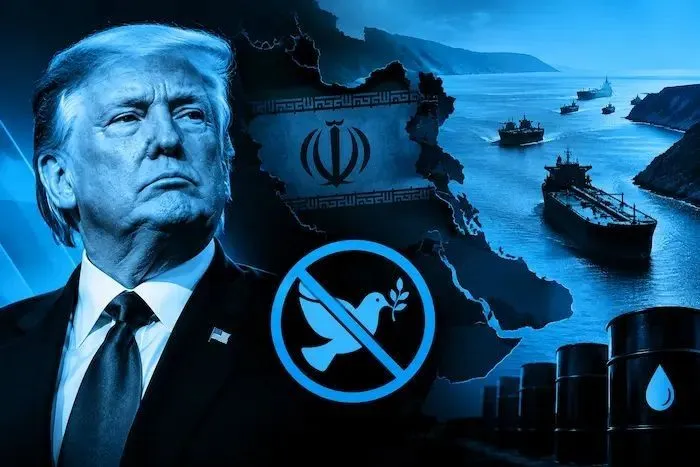
Trump’s rejection of the Iran peace proposal has created uncertainty over over a critical energy shipping corridor, the Strait of Hormuz. The US president on September 26 rejected Tehran’s proposal to resume maritime traffic in seven days and halt fighting in the region. The decision puts negotiations at a crossroads, as shipping disruptions are impacting the global energy market.
Washington rejects Tehran’s seven-day proposal
Iran presented its peace proposal during weeks United Nations General Assembly in New York. Tehran transmitted the plan to Washington through mediators seeking an agreement to restore shipping and halt hostilities.
Under the proposal the Strait of Hormuz would reopen after seven days of preparation. Both sides would also suspend operations across the region allowing broader negotiations to follow.
However Trump rejected the offer while speaking to reporters at the White House on Saturday. Trump argued that Iran wanted a reopening because Irans position had weakened during the conflict.
Trump said, “I am rejecting Tehrans deal ” adding that Washington already exercised control over the waterway. Trump also claimed substantial oil volumes continued passing through the strait.
Despite Trump’s announcement Iranian Foreign Minister Abbas Araghchi said that Tehran had not received a rejection, through any mediating countries. Abbas Araghchi said that Iran would wait for Washington’s position before deciding on next steps.
Abbas Araghchi emphasized that diplomacy was still the realistic way to resolve the conflict. He also said that reopening the Strait of Hormuz depends on Washington fulfilling Iran’s conditions.
Nuclear disagreements cloud diplomatic progress
While the Iran peace initiative may open the door for further talks, nuclear policy is not yet an issue agreed upon. Trump has repeatedly said that Iran should never have weapons.
At the time Tehran continues to stand by its right to enrich uranium. A senior Iranian official told Reuters that Iran would not give in on enrichment. The official added that Iran would not hand over enriched uranium to countries.
These differences could make negotiations harder even if both governments agree to restart shipping. Irans proposed framework would allow discussions on agreed subjects, after the initial maritime arrangements.
Iranian President Masoud Pezeshkian has expressed readiness to negotiate issues alongside other outstanding disputes. Nevertheless he rejected demands that Tehran considers coercive.
Araghchi also referenced a memorandum of understanding signed in June. He argued that the document already outlined steps Washington could take toward reaching an agreement.
The earlier arrangement sought a ceasefire, partial reopening of Hormuz, and an end to military operations. But the deal was undermined by renewed fighting from both sides before it was put into practice.
Global energy risks rise as shipping disruptions continue
The Strait of Hormuz is still at the heart of economic implications of the war. Before the war, one-fifth of the world’s oil and gas went through the waterway.
In response to the U.S. and Israeli attacks, which started on February 28, Iran effectively cut off maritime traffic. Washington later blockaded Iranian ports and hit Iranian targets close to the strait.
Commercial shipping has dropped off as commercial operators are subjected to increased security threats. Shipping data from ship intelligence firm Kpler indicated about 18 crossings as the average number over a 10-day period, Reuters reported.
In the meantime Houthi pressure on shipping in the region has increased. The Iran-backed group has attacked oil facilities and disrupted shipping lanes, in the Red Sea area.
Houthis also took control of coastal locations. Houthis for example took control of Mokha, a town that overlooks the Bab al‑Mandab strait. As a result, the two major maritime choke points are increasingly becoming area of concern for security.
On Saturday, Saudi-led coalition forces intercepted ballistic missiles and drones aimed at Saudi Arabia, the coalition reported. The developments bring even more uncertainty to energy exports in the region.
November elections influence washington’s calculations
Long-running conflict has put strain on the economy of Washington this election season, as the November congressional elections draw near. Energy disruption has been a factor in market volatility and wider economic effects have been raised.
The Wall Street Journal reported that Trump doubts Tehran would honor an agreement. According to the newspaper, he has discussed the possibility of renewed airstrikes after the November elections.
However, diplomatic contacts through mediating countries continue despite the public disagreement. A US official previously described discussions with Iran through intermediaries as positive and constructive.
Trump has also suggested that negotiations could produce an agreement after November’s elections. However, his refusal to accept Tehran’s current proposal puts the timing and the terms of the deal in question.